Measuring ROI for DFW SEO
By Liam Caldwell / Jan 14
In the evolving landscape of digital marketing, staying informed about local SEO is not just an option—it's a necessity. What if you could significantly boost your online visibility with just a few strategic adjustments? Understanding local SEO metrics can set you apart from the competition and drive tangible results for your business.
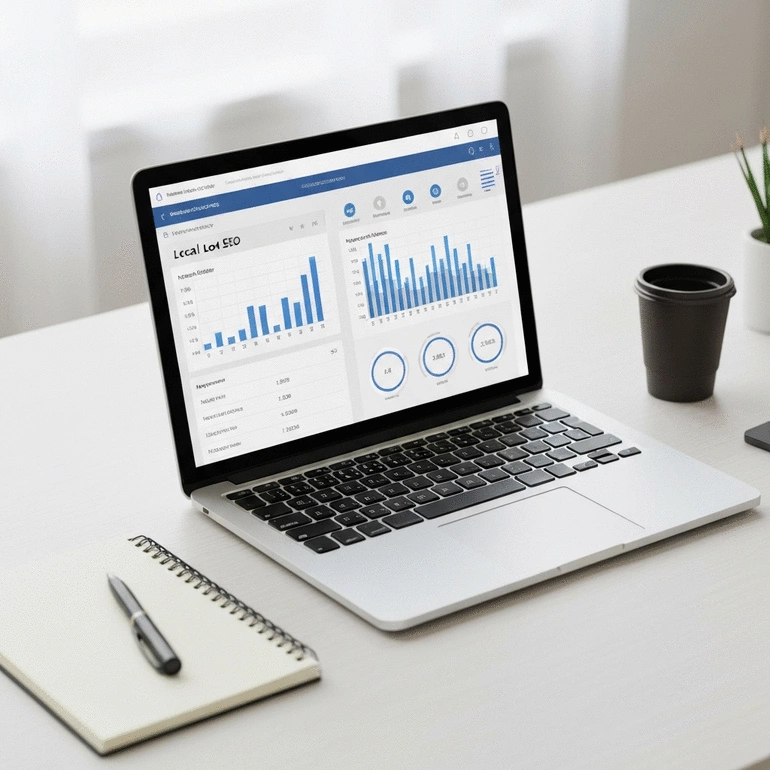
This visual highlights the essential metrics for tracking local SEO performance and the tools that aid in their measurement, presented as a clear, actionable guide. For more insights into optimizing your local presence, consider these local SEO management checklist tips.
Identify successful tactics.
Pinpoint areas for improvement.
Allocate resources effectively.
In today's competitive digital landscape, it's essential to grasp the significance of tracking your local SEO and Google Maps success. After all, the right metrics can make the difference between a thriving business and one that struggles to gain visibility. Many small businesses, like those we partner with at The Stone Builders Rejected, often overlook this crucial aspect, leading to missed opportunities. In this section, we will explore why measuring your local SEO campaign matters and what key metrics you should focus on.
Tracking your local SEO efforts allows you to understand what's working and what isn’t. This insight is vital for optimizing your strategies and ensuring that your business remains competitive in the DFW area. A well-measured campaign can lead to increased visibility, which means more foot traffic to your store and higher online conversions!
By consistently monitoring your local SEO performance, you can adapt to changes in consumer behavior and stay ahead of your competitors. This adaptability is key for small businesses aiming for sustainable growth.

When it comes to local SEO, the right metrics provide insights into your online presence. Focus on these key performance indicators (KPIs) to gauge your success:
Each of these metrics tells a part of the story regarding how your business is perceived online. For instance, high local pack rankings can significantly enhance your visibility, while positive reviews can strengthen your brand reputation. To further improve your local visibility, make sure to optimize your Google Business Profile effectively.
To truly optimize your local SEO efforts, it’s essential to identify and track critical metrics. These metrics offer deeper insights into how your business is performing and help guide your marketing strategies effectively.
Your ranking in the local pack directly impacts your visibility. It’s crucial to know where you stand compared to your competitors. Monitoring your rankings enables you to adjust your strategy accordingly.
There are several tools available to help you track your local pack rankings:
Utilizing these tools enables you to stay informed about your rankings and make data-driven decisions for your local SEO campaigns!
Your Google Business Profile (GBP) offers valuable insights into how customers interact with your business online. By analyzing these metrics, you can uncover trends and patterns that inform your marketing strategies.
Focus on assessing customer interactions, such as:
Understanding these interactions will help you tailor your online presence to better meet the needs of your customers.
Online reviews play a critical role in your local SEO success. Not only do they affect your rankings, but they also influence customer perceptions. Managing your reviews effectively can significantly enhance your visibility.
Here are some strategies to effectively manage your online reviews:
By leveraging reviews, you can build a stronger online reputation and improve your local SEO performance!
Analyzing traffic and conversion rates gives you critical insight into user behavior. By understanding how users interact with your site, you can pinpoint areas for improvement that may enhance your local SEO efforts.
To improve your conversion rates, consider the following techniques:
These adjustments can lead to better user experience and higher conversion rates!
Your CTR is an essential metric to track, as it indicates how effectively your listings attract potential customers. Increasing your CTR can drive more traffic to your website.
By analyzing and optimizing your CTR, you can enhance user engagement and drive more customers to your business.
To maximize the effectiveness of your local SEO efforts, consider implementing a regular review schedule for your online reviews. Aim to respond to reviews weekly, as this not only demonstrates your commitment to customer engagement but also boosts your local search rankings. Engaging with customers through responses can create a positive feedback loop that enhances your brand's reputation and visibility.
As we wrap up our discussion on local SEO success measurement, it's vital to highlight the essential metrics and tools that can empower your business to thrive in the digital space. Tracking local SEO is not just about numbers; it's about understanding your audience and refining your strategies. Here’s a quick recap of the key elements we've covered:
By focusing on these metrics and tools, you can create a comprehensive picture of your local SEO performance. Remember, the goal is not just to gather data but to derive actionable insights that lead to real growth!
Let's dive a bit deeper into the metrics and tools that should be in your local SEO arsenal. As someone who has helped numerous small businesses in the DFW area, I've seen first-hand how the right metrics can drive meaningful change. Here’s what I recommend you keep an eye on:
Focusing on these areas is crucial for maintaining a competitive edge. The more you know, the better you can adapt your strategies! For more detailed guidance, explore local SEO tips for DFW businesses.

As we look ahead, several trends are shaping the future of local SEO measurement. Staying informed about these developments can ensure that your strategies remain relevant and effective. Here are a few trends to keep an eye on:
By adapting to these trends, you position your business for continued success in the evolving landscape of local SEO. Remember, staying ahead of the curve is key!
Now that we've covered the essentials, it’s time to take action! Here’s a simple guide on how you can start tracking your local SEO campaigns effectively:
By following these steps, you can create a robust framework for measuring your local SEO success! It’s all about making informed decisions based on real data.
Ultimately, optimizing your local SEO strategies is a continuous process that requires attention and adaptation. Leverage the insights gained from tracking your metrics to inform your next steps. Remember, every detail matters—especially when it comes to local keywords and content marketing.
Integrating local keywords into your content can significantly enhance your visibility. Combine this with engaging content marketing strategies that resonate with your audience, and you’re on your way to achieving local SEO success! Let’s empower your business in the DFW area with the tools and strategies you need to thrive. Start today by understanding how to optimize Google Maps for locations.
Here is a quick recap of the important points discussed in the article:

By Liam Caldwell / Jan 14

By Liam Caldwell / Jan 12

By Liam Caldwell / Jan 12
Measuring ROI for DFW SEO
In a world where digital presence directly impacts business growth, understanding the effectiveness
Link Building: Agency or DIY?
What if your online presence could be transformed just by choosing the right link building strategy?
Local SEO: DIY or Managed?
In a competitive landscape like Dallas and Fort Worth, mastering Local SEO can set your business apa