Measuring ROI for DFW SEO
By Liam Caldwell / Jan 14
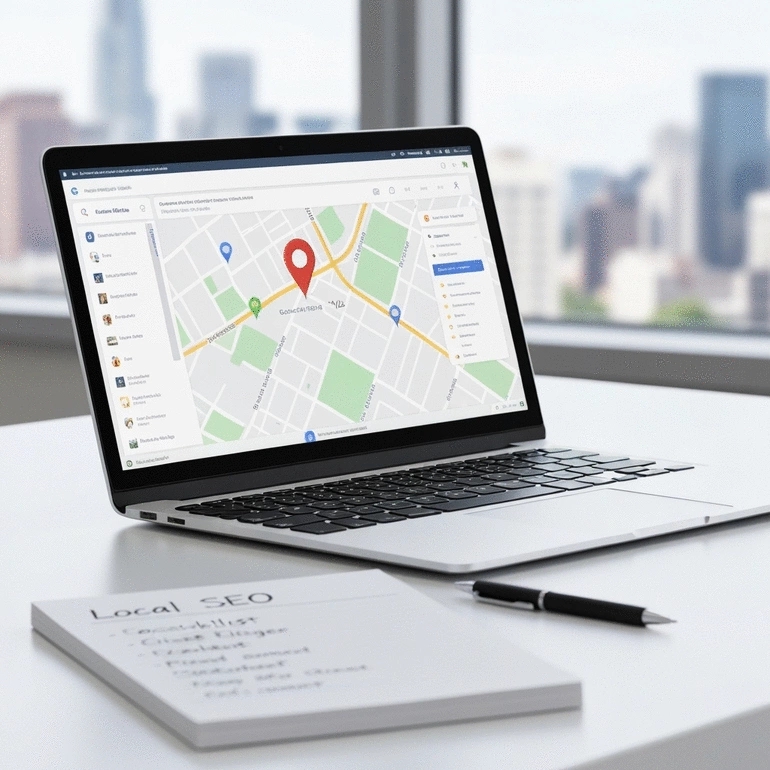
In a world where local searches guide consumer choices, understanding the nuances of Local SEO is not just beneficial—it's essential. How can you ensure your business stands out in a crowded marketplace? By mastering Local SEO strategies that put your business on the digital map.
Unlocking local visibility involves a strategic blend of optimization, audience engagement, and continuous monitoring. For DFW businesses, understanding and implementing these strategies is crucial for local market dominance. Below, we highlight the core pillars and their impact on your business's online presence.
78%
of local mobile searches result in an in-store visit within a day!
In today's digital age, Local SEO has become a vital component for businesses aiming to connect with their local audience. But what exactly is Local SEO? It refers to the practice of optimizing your online presence to attract more business from relevant local searches. This involves a variety of strategies, including optimizing your Google My Business listing, managing citations, and utilizing local keywords. At The Stone Builders Rejected, we understand how these elements work together to help small businesses thrive in their communities!
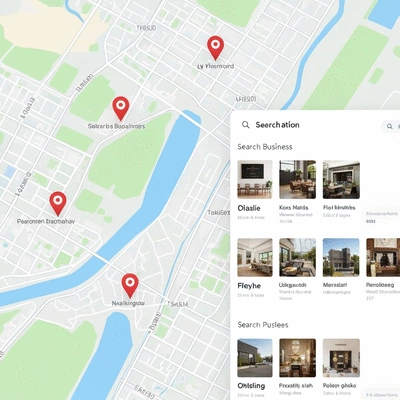
So, how does Local SEO actually work? Essentially, search engines like Google use various ranking factors to determine which businesses to display for local searches. These factors include your location, the relevance of your business to the search query, and the quality of your online information. By focusing on these areas, you can enhance your visibility and drive traffic to your site.
Local SEO aims to optimize your online presence to ensure you show up in local search results. This includes strategies like:
By employing these strategies, you improve your chances of being found by potential customers in your area. When someone searches for a service you provide, you want to be the business they find first!
For small businesses, Local SEO is crucial. Why? Because it allows you to compete with larger corporations in your area. If you're in the DFW area, like us at The Stone Builders Rejected, you have the opportunity to reach customers who are physically nearby and searching for your services. In fact, statistics show that 78% of local mobile searches result in an in-store visit within a day! For more tailored advice, explore our Local SEO Tips for DFW Businesses.
Moreover, Local SEO helps build community trust. When your business appears in local search results, it establishes credibility and increases the likelihood that customers will choose you over competitors. It's all about putting your business on the map—literally!
One of the core components of Local SEO is your Google My Business (GMB) listing. This is your business's digital storefront, and getting it right is essential. A well-optimized GMB profile includes:
By ensuring your GMB profile is complete and accurate, you make it easier for potential customers to find and connect with you. Plus, a strong GMB presence boosts your local search rankings on Google Maps, leading to more foot traffic!
To boost your Local SEO efforts, consider utilizing location-based content marketing. Create blog posts or articles that highlight community events, local news, or partnerships with other businesses in your area. This not only helps in establishing your business as a local authority but also improves your visibility in local search results!
In today's digital landscape, effective Local SEO management is crucial for small businesses looking to thrive. After exploring various strategies, let’s recap some essential takeaways that can set you on the path to success. First, understanding your audience and their behaviors is key. By focusing on local keywords, optimizing your Google Business Profile, and ensuring NAP consistency, you create a solid foundation for your SEO efforts!
Next, remember that building local citations can significantly influence your search rankings. It's not just about being seen; it's about being trusted. As I always say at The Stone Builders Rejected, every citation is a stepping stone towards higher visibility and credibility in your community. We also provide insights on Link Building for Local SEO, which is another crucial aspect.
To ensure you're on the right track, let's summarize the most effective strategies for Local SEO success:
Following these tactics will not only enhance your online presence but also create opportunities for growth. Let's move forward together in making your Local SEO efforts count!
Now that we've highlighted the essential strategies, it’s time to put them into action! Here’s a simple checklist to guide your Local SEO journey:

By following this checklist, you'll be well on your way to implementing effective Local SEO strategies. Remember, consistency is key, and taking small, actionable steps can lead to big results!
Engagement is where the magic happens! As I often share with my clients at The Stone Builders Rejected, it's not just about optimizing your online presence; it’s about connecting with your community. Engaging with your audience can lead to valuable insights and foster customer loyalty. For a deeper dive into optimizing your presence, check out our guide on How to Optimize Your Google Business Profile.
Monitoring your Local SEO progress is vital for understanding what works and what needs improvement. Here’s how you can effectively track your SEO journey:
These metrics will help you adjust your strategies for better performance in your Local SEO efforts!
Customer interactions play a pivotal role in boosting your Local SEO. Encouraging reviews not only enhances your credibility but also improves your rankings. Here are some effective ways to motivate your customers:
Each review is an opportunity to connect with your audience and show them you care! So don't shy away from asking for their input.
Finally, let’s talk about Google Analytics. This powerful tool can provide you with a wealth of information about your SEO performance. Here are some key metrics to focus on:
By analyzing these metrics, you can fine-tune your Local SEO strategies to better meet your audience's needs. So, dive in and start harnessing the power of data to drive your business forward!
A: Local SEO (Search Engine Optimization) is the practice of optimizing your online presence to attract more business from relevant local searches. It helps your business appear prominently in search results for customers in your geographic area.
A: Google My Business (GMB) is crucial as it's your business's digital storefront on Google. An optimized GMB profile provides accurate information, engaging photos, and customer reviews, which significantly boosts your visibility in local search rankings and on Google Maps.
A: Customer reviews are vital for building credibility and trust. Positive reviews enhance your reputation and improve your local search rankings, while responding to all reviews shows that you value customer feedback and engagement.
A: NAP stands for Name, Address, Phone number. Maintaining NAP consistency means ensuring this information is identical across all online platforms (your website, GMB, social media, directories, etc.). This consistency helps search engines verify your business details, improving your local search visibility and trustworthiness.
A: You can monitor your Local SEO progress using tools like Google Analytics to track traffic and user behavior, Google My Business insights for visitor actions, and by keeping an eye on your search rankings for targeted local keywords. Measuring engagement on social media also provides valuable insights.
Here is a quick recap of the important points discussed in the article:

By Liam Caldwell / Jan 14

By Liam Caldwell / Jan 12

By Liam Caldwell / Jan 12
Measuring ROI for DFW SEO
In a world where digital presence directly impacts business growth, understanding the effectiveness
Link Building: Agency or DIY?
What if your online presence could be transformed just by choosing the right link building strategy?
Local SEO: DIY or Managed?
In a competitive landscape like Dallas and Fort Worth, mastering Local SEO can set your business apa