Measuring ROI for DFW SEO
By Liam Caldwell / Jan 14
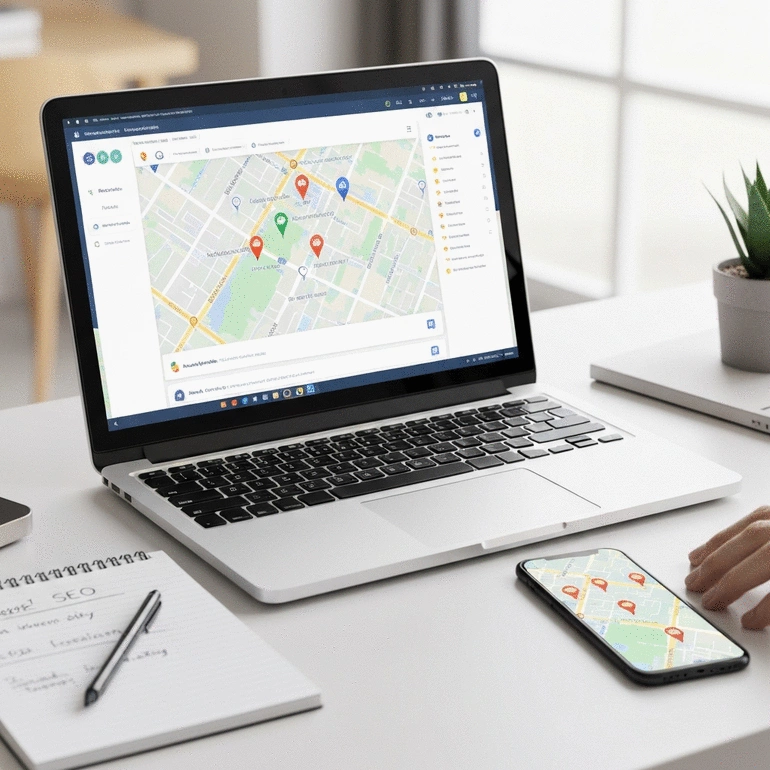
In a world where online visibility can make or break a business, understanding Google Maps SEO is no longer a luxury; it’s a necessity. As you strive to stand out in crowded markets, consider how optimizing your local presence on Google Maps can transform your reach and engagement.
This visual outlines key benefits and challenges when integrating Google Maps SEO with paid local search ads for multi-location businesses. For a deeper dive into optimizing your local presence, consider our guide on understanding Google Maps SEO.
*These challenges are manageable with strategic planning.
As a digital marketing expert at The Stone Builders Rejected, I've seen firsthand how critical Google Maps SEO is for businesses operating in multiple locations. With increasing competition, mastering the intricacies of local SEO can significantly impact your visibility and, ultimately, your bottom line. Have you ever wondered why certain businesses dominate local searches while others struggle? The answer often lies in well-executed Google Maps strategies!
As we dive into this topic, you'll discover just how vital Google Maps SEO is for multi-location businesses, the challenges you might face, and how to navigate them effectively. Our mission at The Stone Builders Rejected is to empower small businesses like yours to achieve sustainable growth through tailored SEO strategies.
When your business spans multiple locations, appearing on Google Maps is non-negotiable! Here are a few reasons why:
By focusing on Google Maps SEO, multi-location businesses can tap into a broader audience, driving more foot traffic and online inquiries.
Managing local SEO for several sites can be daunting. Here are some common challenges you might face:
These challenges are manageable with the right strategies and tools. At The Stone Builders Rejected, we specialize in helping businesses like yours overcome these obstacles to achieve local SEO success!
Google My Business (GMB) is a powerful tool for enhancing your online presence. Here's why it matters:
Utilizing GMB effectively can drastically improve your visibility in local search results, leading to increased traffic and revenue. As a local SEO agency in the DFW area, we’re committed to helping you optimize your GMB profiles for maximum impact!
When optimizing your Google My Business profile, make sure to regularly update your business hours, add high-quality images, and encourage satisfied customers to leave reviews. Consistent engagement not only boosts your visibility but also enhances your credibility in local searches!
As a digital marketing expert at The Stone Builders Rejected, I’ve seen firsthand how combining paid local search ads with organic SEO can be a game changer for businesses looking to boost their visibility. This integrated approach allows you to leverage the strengths of both strategies, ensuring that you’re not just relying on one method to reach your audience. By working together, these tactics can enhance overall marketing performance, driving more traffic and engagement to your business.
So, why consider this dual strategy? When used in tandem, paid ads can offer immediate visibility in search results, while organic SEO builds trust and long-term sustainability. This synergy means you's not only attracting potential customers but also nurturing relationships that can lead to repeat business!
As you can see, leveraging both paid and organic strategies not only enhances your visibility but also cultivates a more robust marketing framework. This combined approach can set you apart from competitors who may be focusing solely on one side of the equation!
Creating a seamless marketing experience is essential for multi-location businesses. Here are a few tips I recommend for integrating your paid and organic efforts:
Following these tips can help you create a cohesive marketing strategy that resonates with your target audience while driving traffic to your business effectively!
When it comes to local advertising, Google AdWords is a powerful tool that can help you target the right audience. By focusing on location-specific keywords, you can ensure your ads reach potential customers actively searching for your products or services. But how do you set up an effective campaign? Here are key steps:
By effectively utilizing Google AdWords, you can drive targeted traffic to your business and complement your organic SEO efforts. Remember, it’s all about creating a balanced strategy that resonates with your audience!
A: Google Maps SEO is crucial for multi-location businesses because it increases visibility for local searches, enhances brand credibility through optimized profiles, and improves customer engagement via reviews and posts, ultimately driving more foot traffic and online inquiries.
A: Key challenges include maintaining consistent branding across all locations, continuously managing and updating individual Google My Business listings, and creating unique, localized content for each specific location to ensure SEO effectiveness.
A: GMB enhances visibility by allowing businesses to control and update accurate information, interact directly with customers through reviews and Q&A, and provide insights into how customers discover and engage with the business. An optimized GMB profile significantly improves local search ranking.
A: Integrating paid and organic strategies maximizes overall visibility by appearing in both search results, improves cost efficiency through targeted advertising, provides enhanced data insights into customer behavior, and boosts brand credibility as organic trust positively influences paid ad performance.
A: For a cohesive strategy, it's recommended to align messaging between paid ads and organic SEO, utilize keyword insights from organic performance to inform paid campaigns, monitor both campaigns jointly for trends, and continually test and optimize ad formats and content to resonate with the audience.
Here is a quick recap of the important points discussed in the article:

By Liam Caldwell / Jan 14

By Liam Caldwell / Jan 12

By Liam Caldwell / Jan 12
Measuring ROI for DFW SEO
In a world where digital presence directly impacts business growth, understanding the effectiveness
Link Building: Agency or DIY?
What if your online presence could be transformed just by choosing the right link building strategy?
Local SEO: DIY or Managed?
In a competitive landscape like Dallas and Fort Worth, mastering Local SEO can set your business apa