Measuring ROI for DFW SEO
By Liam Caldwell / Jan 14
What if your small business could double its visibility online? Understanding the nuances of local search can make all the difference. In the digital landscape dominated by Google, differentiating between Google Maps and organic search is pivotal for attracting local customers. This guide will arm you with essential insights to navigate both effectively.
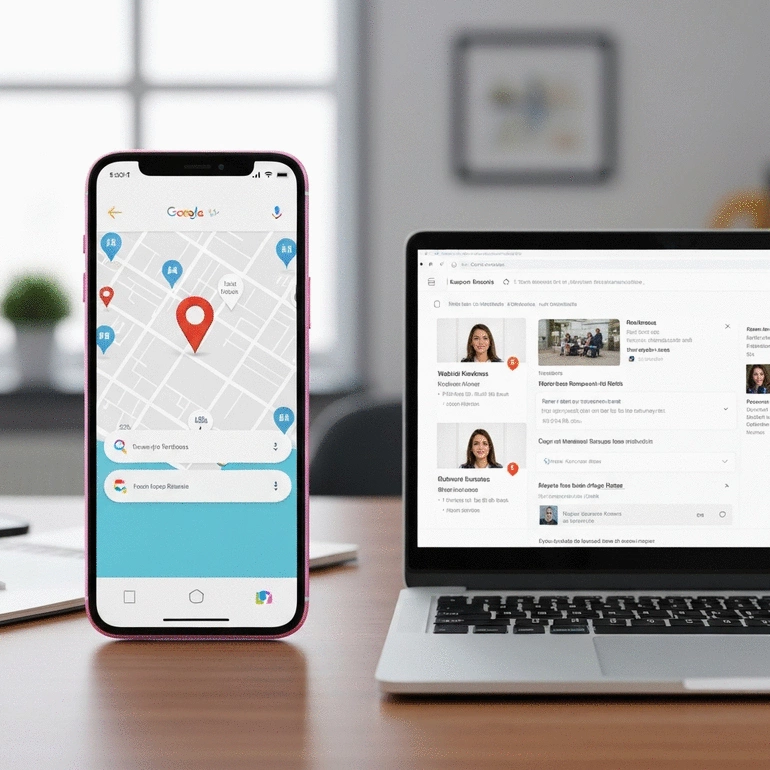
Understanding the distinct roles of Google Maps and Organic Search is crucial for local businesses aiming to optimize their online presence. The visual below highlights their primary characteristics and when to prioritize each for maximum impact. For more specific guidance on local SEO, consider these local SEO tips for DFW businesses.
In today's digital age, navigating the complexities of local search can feel overwhelming. As a local SEO agency based in the DFW area, I’ve seen firsthand how understanding the distinctions between Google Maps and organic search is crucial for small businesses. Each channel has its unique features and benefits, which can significantly impact your visibility and success in reaching your target audience.
By mastering both avenues, you can create a comprehensive strategy that enhances your overall online presence. So, let’s dive deeper into what each of these channels offers for local businesses like yours!
Google Maps is a powerful tool that allows users to find local businesses based on their geographic location. When someone searches for services or products in their area, Google Maps provides a quick overview of nearby options. On the other hand, organic search refers to the results that appear on a search engine’s results page (SERP) based on their relevance and quality, not influenced by paid promotions.
Both of these elements work harmoniously to drive traffic to your business, making it essential to understand how they complement each other. For more details on this, you can learn about understanding Google Maps SEO.

As a small business owner, you may wonder why it's essential to invest time in both Google Maps and organic search. The reality is that the majority of consumers utilize both platforms in their purchasing journey. When you optimize for both channels, you cast a wider net to attract potential customers.
By understanding and leveraging both Google Maps and organic search, you’re positioning your business for sustained growth and success in the local market.
Now that we've covered the basics, let's explore some of the key differences between these two vital channels. Understanding these distinctions can help you tailor your SEO strategies effectively.
We'd love to hear your thoughts! Which aspect of local SEO do you find most challenging: optimizing for Google Maps, focusing on organic search, or balancing both? Share your insights below:
When it comes to navigating the local search landscape, one of the most common questions I hear is: “Should I focus on Google Maps or organic search?” As the owner of The Stone Builders Rejected, I understand how crucial it is for local businesses to make informed decisions that enhance their visibility. The answer often depends on your specific business goals and the audience you want to reach.
First, consider the nature of your business and the services you provide. If you're a service-based business like a plumber or an electrician, Google Maps may be your best friend since most clients are looking for immediate assistance. However, if your business revolves around content, like a blog or e-commerce site, then optimizing for organic search should be a priority. Balancing both strategies is key!
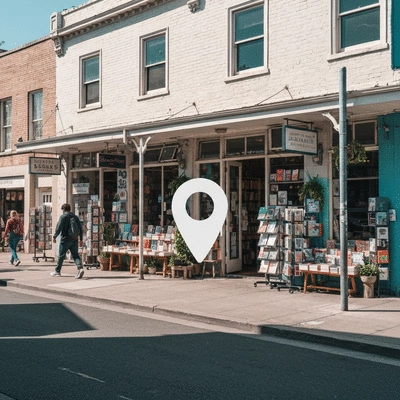
As I work with local businesses in the DFW area, I often recommend a hybrid approach. Think of it as creating a robust online presence where Google Maps helps you capture immediate local traffic while organic search builds your brand authority over time. This dual strategy can lead to sustained growth and a stronger customer base.
In the fast-paced world of local SEO, achieving a balance between short-term wins and long-term strategies is essential. Many businesses focus solely on quick fixes, like promotions or ads, but without a solid long-term plan, that success may be fleeting. Here at The Stone Builders Rejected, we emphasize the importance of a comprehensive approach that takes both aspects into account.
To create a balanced strategy, consider incorporating geographic targeting and long-tail keywords. For further reading on this, explore how to optimize Google Maps for locations.
By blending these elements, you can establish a strong foothold in local search while also preparing for future growth. This holistic approach ensures that your marketing efforts are not just reactive but strategically aligned with your business objectives.
A: Google Maps primarily focuses on location-based searches, providing immediate results for nearby businesses, often used for immediate service needs. Organic search, on the other hand, prioritizes content quality, website authority, and relevance to a broader range of informational or research-oriented queries, contributing to long-term brand authority.
A: Optimizing for both channels increases overall online visibility, enhances credibility, and attracts different types of traffic. Google Maps captures customers with immediate local intent, while organic search reaches those conducting more research-oriented queries, leading to a more comprehensive digital presence and sustained growth.
A: Businesses offering emergency services (e.g., plumbers, electricians) or those heavily reliant on walk-in traffic and local discovery should prioritize Google Maps. Its features like customer reviews, business hours, and direct navigation are crucial for immediate service needs.
A: Businesses that are content-driven, offer products, or provide services that require more research and comparison (e.g., consultants, e-commerce stores with local delivery) should focus more on organic search. This strategy builds long-term brand authority and attracts customers who are seeking detailed information.
A: Geographic targeting involves using location-specific terms (e.g., "best coffee shop in DFW") to attract local customers. Long-tail keywords are more specific, longer phrases that users type into search engines, indicating higher purchase intent. Incorporating both helps businesses appear in relevant local searches and capture highly motivated traffic. They are crucial for both Google Maps and organic search optimization.
As we wrap up this section, it’s clear that a well-rounded local SEO strategy is vital. At The Stone Builders Rejected, we believe in creating an integrated approach that synergizes your content efforts with your Google Business Profile (GBP) optimization.
This synergy allows your business to capitalize on local searches effectively and cultivate a loyal customer base. Remember, each element of your strategy works best when it complements the others!
To help you get started, here’s a simple checklist to combine your Google Maps and organic strategies:
Lastly, don’t overlook the power of online reputation management. Actively managing reviews can significantly impact your local SEO. Encourage satisfied customers to leave positive feedback, and always respond to reviews—this shows potential clients that you value their opinion and are engaged with your community. For further insights, consider these tips for handling reviews for stone builders.
By implementing these actionable strategies at The Stone Builders Rejected, you can take significant steps toward boosting your local visibility and fostering sustainable growth. So, what are you waiting for? Let’s get started on enhancing your local SEO today!
Here is a quick recap of the important points discussed in the article:

By Liam Caldwell / Jan 14

By Liam Caldwell / Jan 12

By Liam Caldwell / Jan 12
Measuring ROI for DFW SEO
In a world where digital presence directly impacts business growth, understanding the effectiveness
Link Building: Agency or DIY?
What if your online presence could be transformed just by choosing the right link building strategy?
Local SEO: DIY or Managed?
In a competitive landscape like Dallas and Fort Worth, mastering Local SEO can set your business apa