Measuring ROI for DFW SEO
By Liam Caldwell / Jan 14
In today's competitive landscape, understanding the intricacies of Google Maps ranking is vital for small businesses. With over 75% of users not moving past the first page of search results, optimizing your presence here can be a game changer for customer acquisition.
Understanding the essential factors that impact your business's visibility on Google Maps is crucial for local success. Below is a visual summary of these critical elements. For more detailed insights on how to improve your local search presence, consider exploring optimizing your Google Maps listing.
Ensure all sections are filled, including hours, contact info, and services, to maximize visibility and trust.
Your Name, Address, and Phone number must be uniform across all online platforms for credibility.
Responding to reviews (positive and negative) significantly improves your online reputation and ranking.
Incorporate local and service-specific keywords to enhance your content's relevance to search queries.
Participate in local events and showcase them to build trust and positive online reflections.
Stay informed and adapt your strategies to Google's evolving algorithm for sustained ranking.
As a small business owner, you might be asking yourself, "Why does my Google Maps ranking even matter?" Well, if you want to attract more customers and stand out from your competitors in the DFW area, mastering Google Maps SEO is essential! When potential customers search for services near them, having a high ranking on Google Maps can make all the difference in driving foot traffic and online inquiries.
High rankings not only increase your visibility but also build trust with potential customers. Think of it as the digital equivalent of a prime storefront location. The higher you rank, the more likely customers will choose your business over others. So, let’s dive into why these rankings are crucial for local businesses!
Your Google Maps ranking has a direct impact on your overall online presence. It determines how easily customers can find you when they search for local services. In fact, studies show that over 75% of users don't scroll past the first page of search results! Thus, having a strong presence on Google Maps can significantly enhance your customer acquisition strategies.
At The Stone Builders Rejected, we always emphasize optimizing for Google Maps because we understand its importance in driving local traffic. With the right strategies, you can enhance your visibility and attract more customers! For more information on improving your presence, read about optimizing your Google Business Profile.

Before we go further, let’s clarify some key terms. Local SEO is the practice of optimizing your online presence so that your business appears in local search results. This includes not just Google Maps but also local directories and search engines. Essentially, it’s about making sure that when someone in your area searches for your services, your business pops up!
Now, what about Google Maps ranking? This refers to where your business appears on the map and in local search results. Google uses several factors to determine this ranking, including relevance, distance, and prominence. Understanding these factors is key to enhancing your local search strategy.
By grasping these concepts, you’ll be equipped to take the necessary steps to improve your Google Maps ranking and attract more customers to your business!
To really stand out in local searches, don't just focus on optimizing your Google Business Profile. Make sure to actively engage with your community on social media. By showcasing local events, promotions, or customer testimonials, you can create a more relatable brand image that resonates with potential customers. This not only builds trust but can also enhance your visibility on Google Maps!
As we’ve explored the ins and outs of optimizing your Google Business Profile and understanding ranking factors, it’s time to summarize the essential elements that truly impact your local SEO success. By focusing on these key aspects, small businesses can significantly enhance their visibility on Google Maps and attract more customers.
Here are some of the most critical factors that can influence your Google Maps ranking:
Each of these factors works together to strengthen your local search presence. At The Stone Builders Rejected, we're passionate about helping businesses in the DFW area navigate these essentials for success!
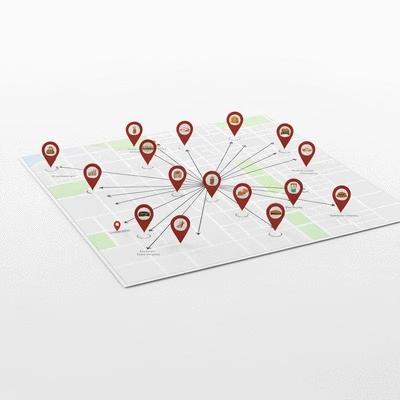
To recap the most effective strategies for enhancing your Google Maps ranking, consider the following takeaways:
Each takeaway highlights an action item for local businesses to implement in their ongoing SEO efforts. If you have questions about any of these strategies, don’t hesitate to reach out! I love helping fellow businesses succeed.
Now that we’ve summarized the essential factors for Google Maps ranking, it’s time to create an actionable strategy tailored to your business needs. Here’s how you can take the next steps:
These steps are crucial for building a solid foundation for your local SEO strategy. As you implement these practices, the visibility of your business will begin to grow, leading to greater success in the digital marketplace! You can find more targeted advice for the DFW area by checking out these local SEO tips for DFW businesses.
I’d love to hear your thoughts and experiences! What challenges have you faced in optimizing your Google Business Profile? Feel free to share your questions or insights in the comments below. Engaging with each other helps us all learn and grow!
For those wanting to dive deeper into local SEO and Google Maps ranking, I recommend checking out these valuable resources:
These resources can provide you with additional insights and strategies to further enhance your local SEO efforts. Remember, The Stone Builders Rejected is here to support you every step of the way—let's work together to boost your online presence!
Here is a quick recap of the important points discussed in the article:

By Liam Caldwell / Jan 14

By Liam Caldwell / Jan 12

By Liam Caldwell / Jan 12
Measuring ROI for DFW SEO
In a world where digital presence directly impacts business growth, understanding the effectiveness
Link Building: Agency or DIY?
What if your online presence could be transformed just by choosing the right link building strategy?
Local SEO: DIY or Managed?
In a competitive landscape like Dallas and Fort Worth, mastering Local SEO can set your business apa