Measuring ROI for DFW SEO
By Liam Caldwell / Jan 14
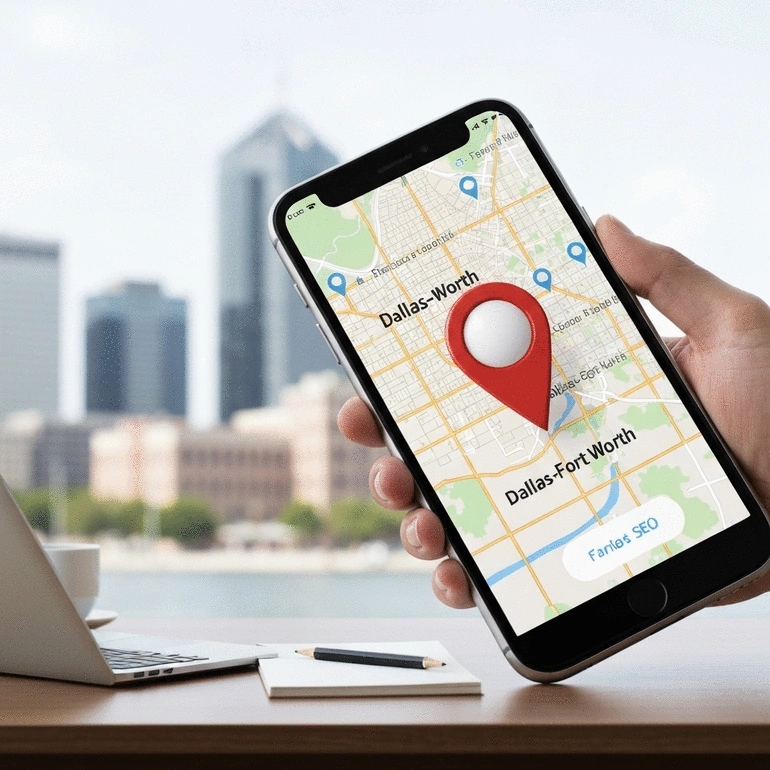
Over 50% of local searches are now conducted on mobile devices, making mobile SEO a crucial factor for businesses in the Dallas-Fort Worth area. Understanding the trends and optimizing your site can significantly impact your local search visibility.
Over 50% of local searches happen on mobile. This visual highlights how mobile optimization impacts local businesses in the Dallas-Fort Worth area. For more detailed insights, consider these local SEO tips for DFW businesses.
50%+
Local Searches
69%
Mobile Purchases
The majority of local searches and mobile purchases highlight the necessity of mobile optimization.
In today's fast-paced digital landscape, understanding the role of mobile SEO is crucial for local businesses in the Dallas-Fort Worth area. Did you know that over 50% of all local searches are conducted on mobile devices? This profound shift in user behavior highlights the importance of optimizing for mobile, especially in a bustling metropolitan area like DFW. As a local SEO expert at The Stone Builders Rejected, I've seen firsthand how mobile searches can directly influence foot traffic and sales for small businesses. So, let's dive into why mobile SEO is essential!
The rise of mobile devices has transformed how consumers search for local services. In fact, a recent study shows that 69% of smartphone users are more likely to purchase from businesses whose websites are mobile-friendly. This means that if your site isn't optimized for mobile, you could be missing out on valuable customers in your area. We all know how busy life can be in DFW, and when someone searches for a nearby restaurant or service, they expect quick, relevant results. For more strategies to improve your local online presence, explore improving local SEO in DFW.

Ultimately, having a strong mobile presence not only boosts visibility but also builds trust with your audience. As businesses in DFW, we need to adapt to these changing search behaviors to remain competitive.
Mobile-first indexing is a significant factor that directly impacts local search rankings. This means that Google predominantly uses the mobile version of your website for indexing and ranking. If your site isn’t optimized for mobile, you may not only rank lower but also give potential customers a poor user experience. Search engines evaluate various ranking signals that mobile optimization can enhance, such as:
At The Stone Builders Rejected, we focus on ensuring that our clients' websites meet these criteria. This way, businesses can improve their visibility in search results, leading to increased website traffic and, ultimately, more conversions.
Staying updated with mobile search trends is key to effective local SEO strategies. In the DFW area, we've noticed some intriguing patterns that are shaping how users interact with local businesses:
By understanding and adapting to these trends, local businesses can better connect with their target audience. As we continue to navigate the complexities of mobile search, let’s keep our strategies fresh and effective!
To maximize your mobile SEO effectiveness, consider implementing Accelerated Mobile Pages (AMP). This technology allows your web pages to load faster on mobile devices, significantly enhancing user experience and reducing bounce rates. Businesses utilizing AMP can see improved search rankings and increased customer engagement, especially in competitive markets like Dallas-Fort Worth.
Over 50% of local searches are conducted on mobile devices, and 69% of smartphone users are more likely to purchase from mobile-friendly websites. Optimizing for mobile ensures your business is visible and accessible to this large segment of potential customers in the DFW area.
Mobile-first indexing means that Google primarily uses the mobile version of your website for indexing and ranking. If your site is not mobile-optimized, it can negatively impact your search rankings and user experience.
Key trends include the rise of voice search (optimizing for conversational phrases), reliance on location-based services like Google Maps (requiring accurate data), and social media integration (users discovering businesses via social platforms).
Fast-loading, responsive, and easy-to-navigate mobile sites significantly improve user experience, leading to higher engagement, lower bounce rates, and better search rankings. Poor mobile experience can deter potential customers.
You can start by reviewing your Google My Business listing for accuracy, checking your website's mobile responsiveness with Google's Mobile-Friendly Test, and exploring local citation opportunities to boost your online presence.
As we’ve discussed, mobile SEO is not just a trend; it’s essential for local businesses in the Dallas-Fort Worth area to succeed in today’s digital landscape. With the increasing reliance on mobile devices for local searches, adopting effective mobile SEO strategies can significantly enhance your online visibility and engagement. Specifically, businesses need to focus on optimized Google My Business profiles, local citations, and technical mobile improvements to stand out in a competitive market. To learn more about optimizing your online presence, check out these tips for optimizing your Google Business Profile.
To recap, here are the key reasons why mobile SEO is crucial:

By understanding and implementing these strategies, local businesses can improve their search rankings and drive more traffic to their websites. Remember, at The Stone Builders Rejected, we’re here to help you navigate these complexities and elevate your online presence!
Now that you’re aware of the critical role mobile SEO plays in your business’s success, it’s time to take action! I encourage you to assess your current mobile SEO practices and identify areas for improvement. Consider reaching out for a tailored consultation to ensure your strategies align with the latest trends and best practices.
Here are a few steps you can take right away:
If you’re feeling overwhelmed or unsure where to start, don’t hesitate to contact us at The Stone Builders Rejected for a comprehensive audit. Let’s work together to craft a tailored strategy that will help your business thrive in the competitive DFW market! Learn more about how local SEO boosts foot traffic.
Here is a quick recap of the important points discussed in the article:

By Liam Caldwell / Jan 14

By Liam Caldwell / Jan 12

By Liam Caldwell / Jan 12
Measuring ROI for DFW SEO
In a world where digital presence directly impacts business growth, understanding the effectiveness
Link Building: Agency or DIY?
What if your online presence could be transformed just by choosing the right link building strategy?
Local SEO: DIY or Managed?
In a competitive landscape like Dallas and Fort Worth, mastering Local SEO can set your business apa